


Fried Ice Cream Explained: Hot Crunch, Cold Center
What exactly is fried ice cream?
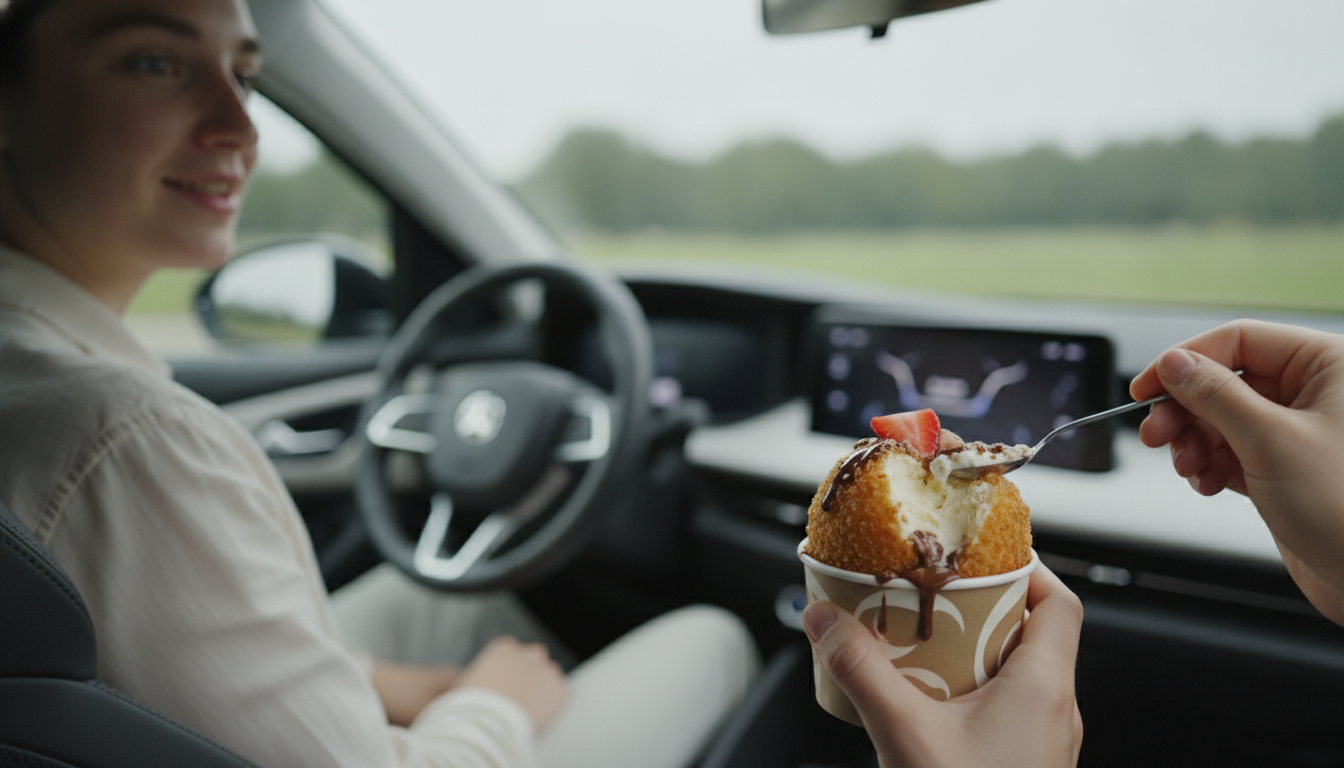
Fried ice cream is a dessert that delivers a hot, crunchy shell around a still-cold, creamy center. Despite the name, the ice cream itself doesn’t “cook” all the way through—success depends on extreme temperature contrast: very frozen ice cream plus a very quick, high-heat fry (or a no-fry version that mimics the effect).
The classic approach starts with firm scoops of ice cream that are frozen until rock-hard. Those scoops are coated—often in crushed cornflakes, cookie crumbs, or cereal mixed with cinnamon and sugar—then frozen again to lock the coating in place. When it’s time to serve, the coated scoop is dropped into hot oil for just a few seconds, long enough to brown and crisp the outside while the inside stays frozen. The result is a dramatic texture mix: crackly coating, soft ice cream, and a little steam escaping from the shell.
How is it different from rolled “fried” ice cream?
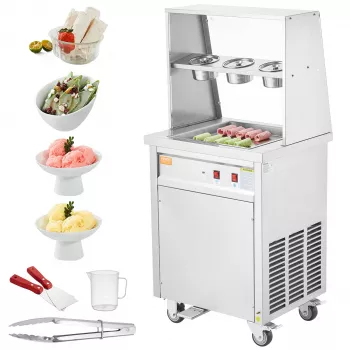
In many shops, “fried ice cream” refers to Thai-style rolled ice cream made on a freezing cold plate—not in a fryer. A liquid ice cream base is poured onto the plate, mixed with flavors, spread thin, and scraped into rolls. It’s “fried” only in the sense that it’s worked on a flat surface, but the process is actually rapid freezing.
If you’re curious about the rolled-ice-cream method, equipment, and how shops set up their cold-plate workflow, see the full guide here: fried ice cream roll machine setup, operation, and buying guide.
What does fried ice cream taste like?
Traditional fried ice cream tastes like vanilla (or another flavor) wrapped in a warm, lightly spiced crunch, often finished with toppings such as honey, chocolate sauce, whipped cream, or cherries. Rolled ice cream tends to taste cleaner and denser, with mix-ins distributed throughout each roll.
FAQ
Is fried ice cream actually fried?
Traditional fried ice cream is briefly fried in hot oil to crisp the coating, while the ice cream stays cold because it’s frozen solid and the fry time is only seconds. Rolled “fried” ice cream isn’t fried at all—it’s made by freezing and scraping on a cold plate.













Leave a comment