


Why Fried Ice Cream Doesn’t Melt in the Fryer
How do they make fried ice cream without it melting?
Fried ice cream works because the ice cream starts extremely cold, the coating is dry and insulating, and the frying step is very fast. When everything is prepped correctly, the outside gets crisp while the inside stays frozen long enough to serve.
The key is starting colder than “freezer cold”
Most freezers sit around 0°F, but fried ice cream is easier when the scoops are hardened well below that. Restaurants often deep-freeze portioned scoops for hours (sometimes overnight) so the center has more “cold reserve.” The colder the core, the more time you have before melting begins.
A thick, dry coating acts like a jacket
The coating isn’t just for crunch—it slows heat transfer. Common methods include rolling the scoop in crushed cornflakes, cookie crumbs, or cereal, then binding it with a thin layer of egg white or batter and coating again. That double coat traps air and creates a thicker barrier, which keeps fryer heat from reaching the ice cream quickly.
High heat, short time: crisp outside, frozen inside
Frying is usually done at about 350°F to 375°F for only 10 to 20 seconds. That sounds counterintuitive, but higher oil temperature browns the coating rapidly, so the scoop spends less total time in the fryer. Keeping batches small also prevents the oil temperature from dropping, which would require a longer fry and increase melting.
Smart handling prevents heat from sneaking in
Teams set up an assembly line: scoops stay in the freezer until the last second, the fryer basket is ready, and finished scoops are served immediately. Even small delays at room temperature can soften the surface and make the coating slip or crack during frying.
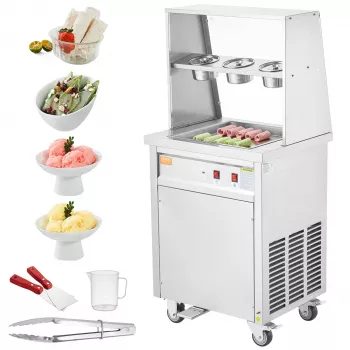
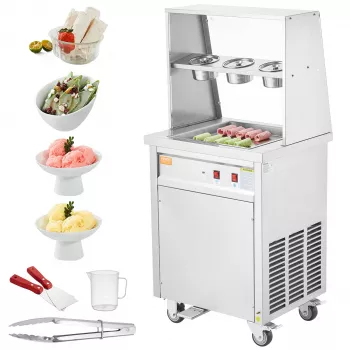
If you’re exploring the tools and workflow behind rolled and fried-style desserts, see the detailed guide here: fried ice cream roll machine setup, operation, and buying guide.
FAQ
What oil is best for frying ice cream?
Use a neutral, high-smoke-point oil like canola, peanut, or vegetable oil so the coating crisps quickly without tasting greasy.













Leave a comment