



Birkenstocks Women’s: Size Up or Down for Best Fit?
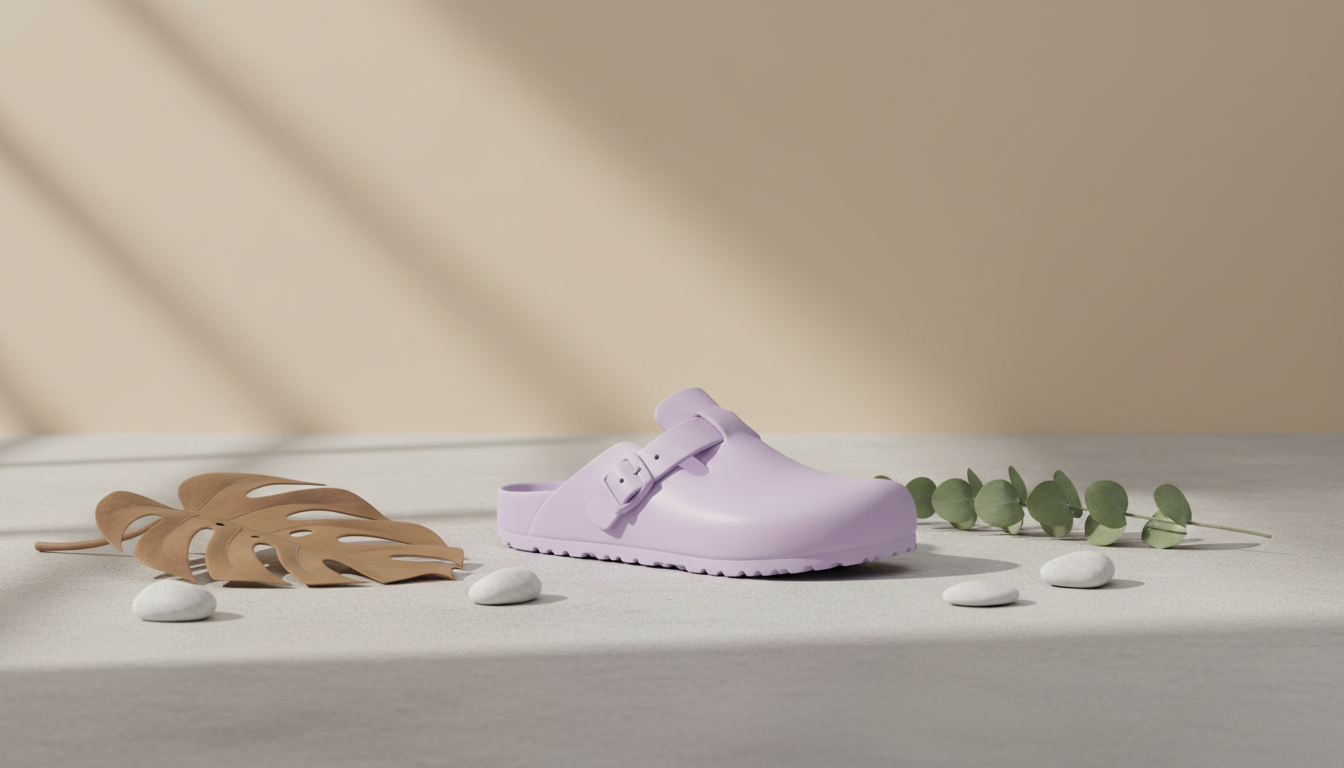
Should you size up or down in Birkenstocks women’s?
In most women’s Birkenstocks, it’s usually best to stick with your true size rather than sizing up or down. Birkenstocks are designed to fit with a little space around the toes and heel so your foot can naturally spread, and the footbed can support you correctly. If you size down, that built-in “room to move” disappears and your toes may feel crowded or hit the edge. If you size up too far, your foot can slide and you may end up gripping with your toes, which can cause fatigue.
When sizing down makes sense
Size down only if you’re clearly between sizes and the larger pair feels sloppy even after adjusting the straps. A good fit still leaves a small gap—roughly a few millimeters—behind your heel and in front of your longest toe. If you can’t get the straps snug enough to keep your foot centered on the footbed, the smaller size may be the better match.
When sizing up makes sense
Size up if your toes reach the front lip, your heel sits right on the back edge, or you feel pressure at the sides of the footbed. This is especially common if you have a longer second toe, wider feet, or you’re trying a model that feels shorter in the same labeled size. You should be able to walk without your heel “falling off” the back and without your toes touching the rim.
Don’t ignore width and strap adjustment
Birkenstocks often come in two widths (regular/wide and narrow). If the length feels fine but your foot overhangs the sides—or the straps are always on the last hole—width is likely the real issue, not size. After buckling, your foot should sit in the heel cup with the arch support under your arch, not forward or back.
For model-specific fit notes and styling details (including women’s lilac slip-on options), see the complete guide here: https://dress-antistress.art/guide-birkenstock-womens-lilac-slip-on-shoes-fit-style/.
FAQ
How do Birkenstocks feel when they fit correctly?
A proper fit leaves a small gap at the heel and in front of the toes, with your foot resting inside the heel cup and centered on the footbed. You shouldn’t feel your toes hitting the front rim or your heel riding the back edge.














Leave a comment