


Make Sugar From Sugar Cane at Home: Step-by-Step
How to get sugar from sugar cane at home?
Making table-style sugar from sugar cane at home is possible, but it’s a hands-on process that combines juice extraction, careful boiling, and controlled crystallization. The biggest challenge is getting enough clean juice efficiently, since the quality of your syrup (and crystals) starts with how well the cane is crushed.
Step 1: Wash, trim, and prep the cane
Rinse the stalks well to remove grit. Trim off any dry ends and split thick stalks lengthwise so they feed through a crusher more evenly. Fresh cane yields the best flavor and crystallization.
Step 2: Extract the juice
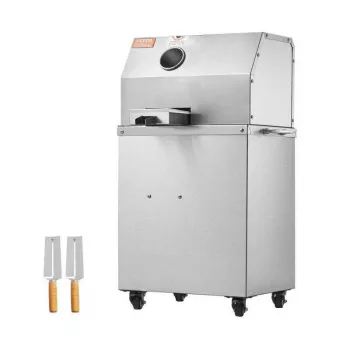
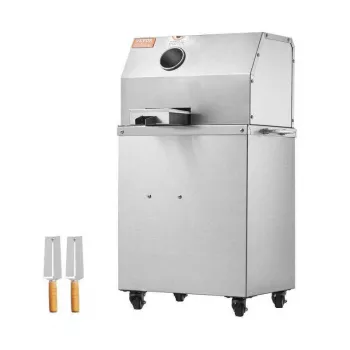
You need strong pressure to crush the fibers and release juice. A heavy-duty roller-style sugarcane juicer is the most practical home option for consistent yield. For setup, safe operation, and cleaning tips, follow this guide: https://dress-antistress.art/guide-800w-stainless-roller-sugarcane-juicer-setup-use-care/.
Step 3: Filter and clarify
Strain the juice through a fine mesh or clean cloth to remove pulp. Let it sit 10–20 minutes so heavier particles settle, then pour off the clearer portion. Cleaner juice helps prevent off-flavors and gritty crystals.
Step 4: Boil into syrup
Simmer the juice in a wide pot to reduce it. Skim foam as it forms. Keep heat moderate to avoid scorching; scorched syrup tastes bitter and can ruin crystallization. Reduce until it reaches a thick syrup consistency.
Step 5: Crystallize and separate
Once syrup is concentrated, cool slightly and stir to encourage crystals (a small pinch of granulated sugar can act as “seed”). Let it sit until crystals form, then drain off the remaining molasses. Dry the crystals on a tray, breaking up clumps as they dry.
Step 6: Store safely
Store fully dried sugar in an airtight container. Any remaining moisture can cause clumping or spoilage.
FAQ
What’s the difference between cane sugar crystals and jaggery/panela?
Cane sugar crystals are separated from molasses after crystallization, while jaggery/panela is typically cooked and poured to set without removing molasses, so it stays darker and more caramel-like.













Leave a comment