



Pendulum Clock Value Guide: Typical Prices & Key Factors
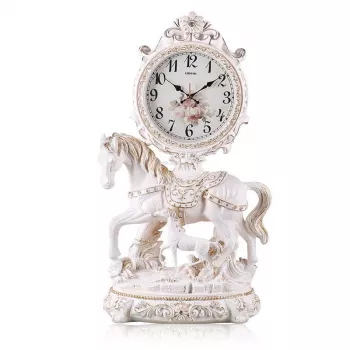
How much is a pendulum clock worth?
A pendulum clock’s value can range from under $50 to tens of thousands of dollars, depending on what it is, who made it, and how original it remains. Most everyday pendulum clocks fall into a few common pricing bands, and the quickest way to estimate worth is to match your clock to the right category.
Typical price ranges by type
- Modern decorative pendulum clocks: Often $50–$400. These are made primarily for décor, sometimes with resin cases or modern movements.
- Mass-produced 20th-century wall or mantel clocks: Commonly $100–$800 when complete and running, especially with an attractive case.
- Antique European or American clocks (19th–early 20th century): Frequently $300–$3,000, with better examples higher.
- High-end makers, complicated movements, or exceptional provenance: $3,000–$25,000+, especially for rare regulators, precision clocks, or documented historical pieces.
What most affects value
Maker and model matter first: signed dials, movement stamps, and recognizable manufacturers typically command more. Condition is next—cracked dials, replaced glass, water-damaged cases, or missing finials can cut value significantly. Originality is crucial: original movement, weights, pendulum, hands, and key (if applicable) are strong positives.
Case material and style also influence price. Solid wood cases with fine carving or inlays often outvalue common veneers, while resin or heavily restored cases generally sell for less unless the piece is sought after as décor. Finally, local demand and shipping practicality can change real-world pricing—tall clocks and fragile glass can be costly to transport, which affects what buyers will pay.
How to get a realistic estimate
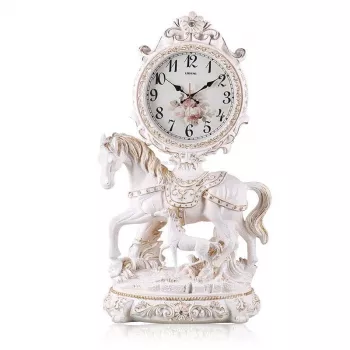
Start by identifying the maker and confirming whether the movement runs and strikes correctly. Then compare recent sold prices for similar examples (not just listing prices). For additional context on decorative standing pendulum clocks—especially European-style resin designs—see this guide to antique European resin standing pendulum clock décor.
FAQ
How can you tell if a pendulum clock is antique?
Look for a maker’s mark on the dial or movement, hand-finished components, and wear consistent with age. Construction details like hand-cut gears, older screw types, and original labels can also indicate an antique rather than a modern reproduction.














Leave a comment