


Saint Laurent Prices: Bags, Shoes, Ready-to-Wear Guide
How much does Saint Laurent cost?
Saint Laurent sits firmly in the luxury category, so prices typically reflect premium materials, designer branding, and craftsmanship. What you’ll pay depends most on the product type (small leather goods vs. ready-to-wear vs. footwear), the specific material (suede, smooth calfskin, patent leather), and whether you’re buying new-season pieces or shopping sales and pre-owned markets.
As a quick rule of thumb, Saint Laurent accessories and small leather goods are usually the lowest entry point, followed by shoes, then bags and ready-to-wear at the top end. Limited runs, iconic styles, and popular colors can also command higher prices and sell out faster, especially in core collections.
Typical Saint Laurent price ranges (what shoppers commonly see)
While exact pricing changes by season and retailer, these ranges are helpful for setting expectations:
Small leather goods: Often a few hundred dollars to around the low four figures, depending on size and leather.
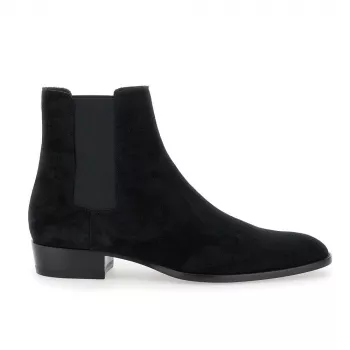
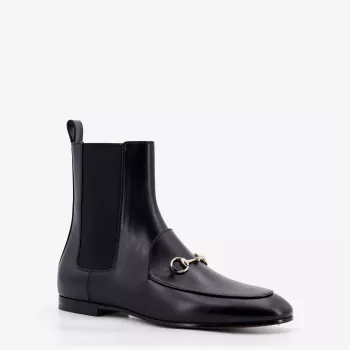
Footwear: Generally in the high hundreds to mid-thousands; boots are usually more than sandals and sneakers.
Handbags: Commonly in the multiple-thousands, with larger sizes and premium leathers at the higher end.
Ready-to-wear: Frequently starts in the high hundreds for some pieces and climbs into several thousand dollars for outerwear and runway-style items.
Why Saint Laurent pricing varies so much
Materials: Suede, exotic leathers, and specialty finishes can raise the price.
Construction details: Hardware, lining, heel construction, and reinforcement add cost—especially with structured bags and boots.
Where you buy: Boutiques and major luxury retailers tend to stick close to MSRP, while end-of-season sales and reputable pre-owned sellers can reduce the cost significantly.
If you’re comparing Saint Laurent footwear specifically—especially suede boots—see the detailed buying and styling notes in this guide: Saint Laurent suede block heel ankle boots guide.
FAQ
Is Saint Laurent cheaper in Europe?
It can be, depending on the country’s pricing and current exchange rates. Travelers may also benefit from VAT refunds, which can reduce the effective price when eligible.













Leave a comment