



Antique Clock Value: How to Tell If Yours Is Worth Money
How do I know if my antique clock is valuable?
Antique clock value comes down to authenticity, maker, condition, originality, and real-world demand. Start by identifying what the clock is (wall, mantel, standing/pendulum, carriage), then look for markings and construction clues that indicate age and quality. A clock that’s attractive but heavily altered—or built as modern décor—usually won’t price like a true antique, even if it looks “old.”
1) Confirm the maker and movement
Open the back (carefully) and check the movement for stamped names, logos, serial numbers, or country-of-origin marks. Well-documented European and American makers tend to command higher prices, especially when the movement and case match. If the dial or movement seems swapped, value typically drops.
2) Check age indicators and materials
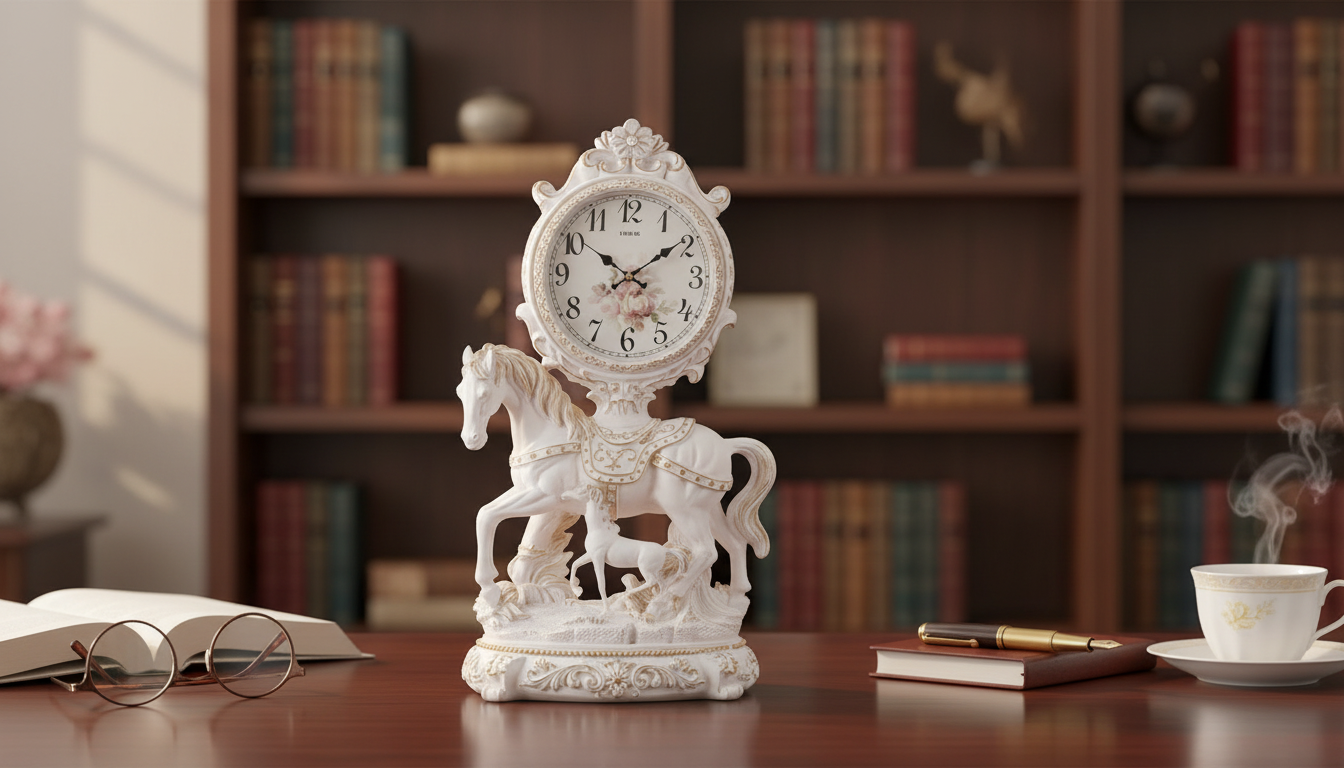
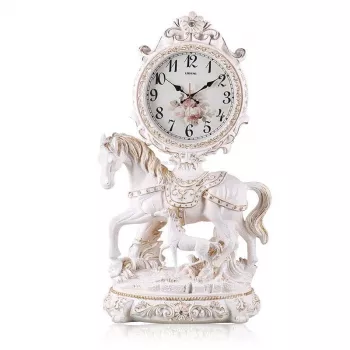
Construction methods tell a story: hand-cut screws, pinned joints, and older style escapements can point to earlier production, while modern fasteners and uniform machine finishes suggest newer manufacture. Case materials matter too—solid hardwoods, brass, and quality glass generally outperform composite cases. Decorative resin clocks can be beautiful, but they’re usually valued as décor unless tied to a notable maker or limited production.
3) Evaluate condition and originality
Original finish, dial, hands, pendulum, and weights add value. Common value killers include replaced dials, refinished cases, missing parts, and non-working movements (unless it’s rare). Look for cracks in porcelain dials, worn gear teeth, bent pivots, and signs of moisture damage inside the case.
4) Verify function and service history
A clock that runs, strikes correctly, and keeps reasonable time is easier to sell and often worth more. Receipts for professional servicing help; improvised repairs (glue, mismatched screws, incorrect pendulums) often hurt value.
5) Compare with sold prices (not asking prices)
Use auction results and completed listings for the same maker, model, and size. Small differences—case style, dial material, originality—can swing value significantly.
For visual context on pendulum/standing styles and decorative builds, see the guide here: https://dress-antistress.art/guide-antique-european-resin-standing-pendulum-clock-decor/.
FAQ
What is the best way to get an antique clock appraised?
Bring clear photos (dial, case, movement, any marks) to a qualified clockmaker or certified appraiser, and ask for a written appraisal based on current sold-market comps and condition.














Leave a comment