

Saint Laurent Jacket Authenticity: 5 Real vs Fake Checks
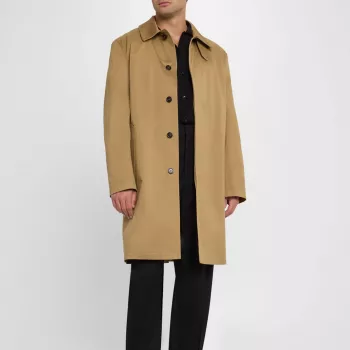
How to tell if a Saint Laurent jacket is real?
Authentic Saint Laurent jackets feel intentionally constructed: sharp shoulders, clean lines, and premium materials that hold their shape. To spot a fake, focus on the details counterfeiters most often miss—labels, stitching, hardware, and provenance.
1) Check the label set and typography
Start inside the jacket. Saint Laurent pieces typically have a main neck label plus additional composition/care labels. The printing should be crisp, evenly spaced, and correctly aligned—no fuzzy edges, inconsistent font thickness, or off-center placement. Misspellings, uneven kerning, or a label that looks “too shiny” or cheaply woven are common red flags.
2) Examine stitching and construction
Look at seams along the shoulders, sleeves, and lining. Authentic jackets usually show straight, consistent stitching with no loose threads or wavy seam lines. Pattern matching (where applicable) should look intentional, and the lining should sit smoothly without puckering.
3) Inspect hardware: zippers, snaps, buttons
Hardware should feel substantial and operate smoothly. Zippers shouldn’t snag, and snaps should fasten cleanly. Engraving (if present) must be sharp and evenly placed—not shallow, crooked, or inconsistent. Cheap plating, rough edges, or overly light hardware often indicates a counterfeit.
4) Verify the model and compare to known references
Search the exact style name, season, and photos of the same jacket from trusted retailers. Pay attention to pocket shape, collar proportions, and lining color—fakes often get these “small” design elements wrong. For a practical reference on Saint Laurent outerwear details and styling cues, see the guide here: https://dress-antistress.art/guide-saint-laurent-cotton-coat-faux-fur-vest-city-ready/.
5) Evaluate the seller and documentation
Authenticity is also about the source. Look for clear photos of labels, close-ups of hardware, and a verifiable return policy. Be cautious of “too good to be true” pricing, stock photos only, or sellers who refuse detailed images.
FAQ
What should I look for in Saint Laurent jacket zippers and hardware?
Genuine pieces use sturdy hardware with smooth action and clean finishing. Engravings (when present) should be crisp, and plating shouldn’t look thin, blotchy, or easily scratched.














Leave a comment