



Choosing Fresh Sugar Cane: What to Look For
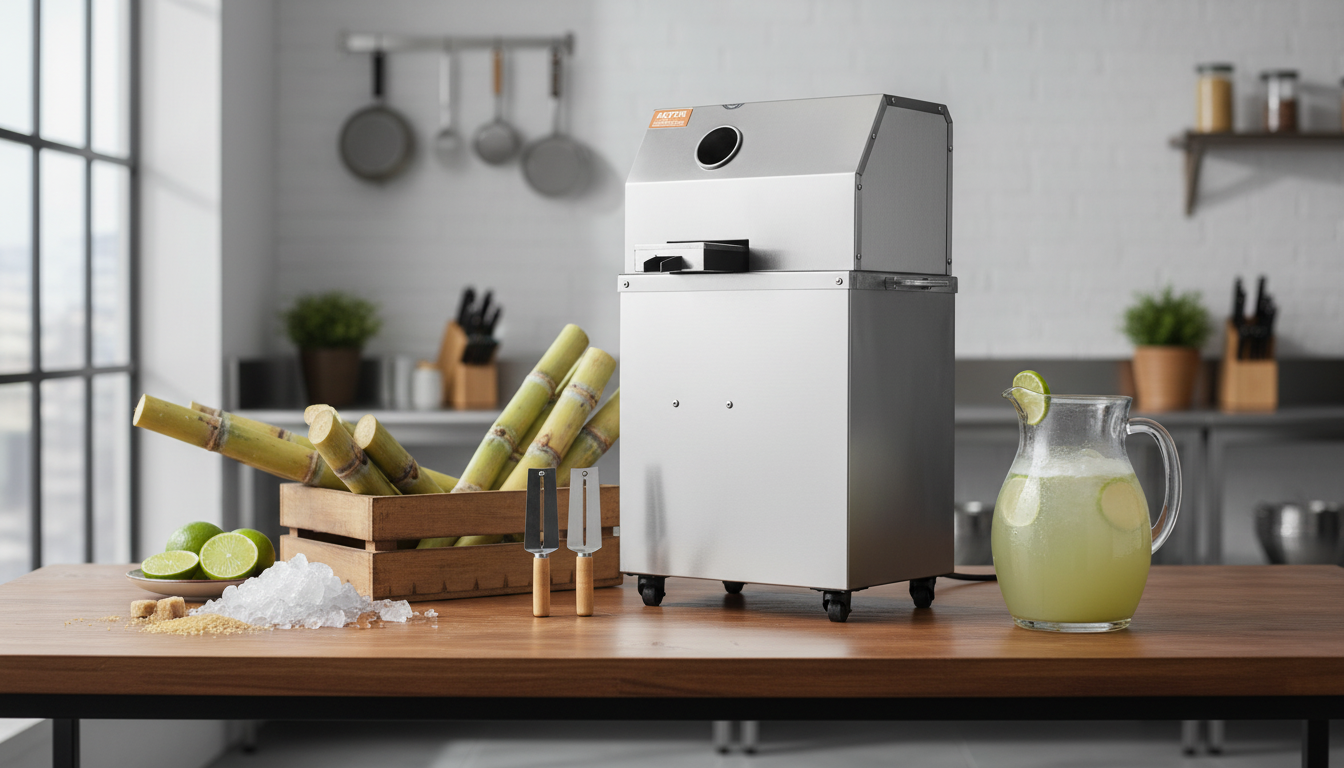
How to pick sugar cane at a grocery store?
Sugar cane is best when it’s fresh, juicy, and free of mold or excessive drying. Since you’ll likely be peeling it and either chewing it or juicing it, choose stalks that look clean, feel heavy for their size, and have a crisp, sweet smell.
Start with color and surface condition
Look for sugar cane with an even color (green, yellow, or purple depending on the variety) and a natural sheen. Avoid stalks with large black spots, fuzzy growth, or white/green mold around the nodes (the raised rings). Minor scuffs from shipping are normal, but deep cracks and shriveled sections usually mean it’s drying out.
Check firmness and weight
Pick up a few stalks and compare. A good stalk feels dense and heavy, not hollow or lightweight. Gently press with a fingernail near an end; it should feel firm. If the cane feels spongy, bends easily, or has soft areas near the nodes, skip it.
Inspect the ends and nodes
Ends tell you how recently it was cut. Fresher sugar cane typically has ends that look moist, not chalky or gray. Nodes should be intact and not oozing or slimy. If ends are extremely dried and split, the inside may be less juicy.
Smell test and packaging tips
If possible, smell the stalk: it should be mildly sweet and grassy, never sour or musty. If it’s wrapped, check for condensation pooling inside the plastic (a sign it’s been sitting too warm) and scan for any mold trapped against the film.
Plan for how you’ll use it
If you’re buying cane to juice, prioritize thicker, heavier stalks for higher yield. For chewing, thinner sections can be easier to handle. For a practical walkthrough on preparing and processing cane, see the full guide here: https://dress-antistress.art/guide-800w-stainless-roller-sugarcane-juicer-setup-use-care/.
FAQ
How should you store sugar cane after buying it?
Wrap unpeeled stalks tightly in plastic or keep them in an airtight bag in the fridge to slow drying. For longer storage, cut into manageable pieces and freeze; thaw in the fridge before juicing or peeling.














Leave a comment