


Fried Ice Cream: Mexican Origin or Restaurant Staple?
Is fried ice cream a Mexican thing?
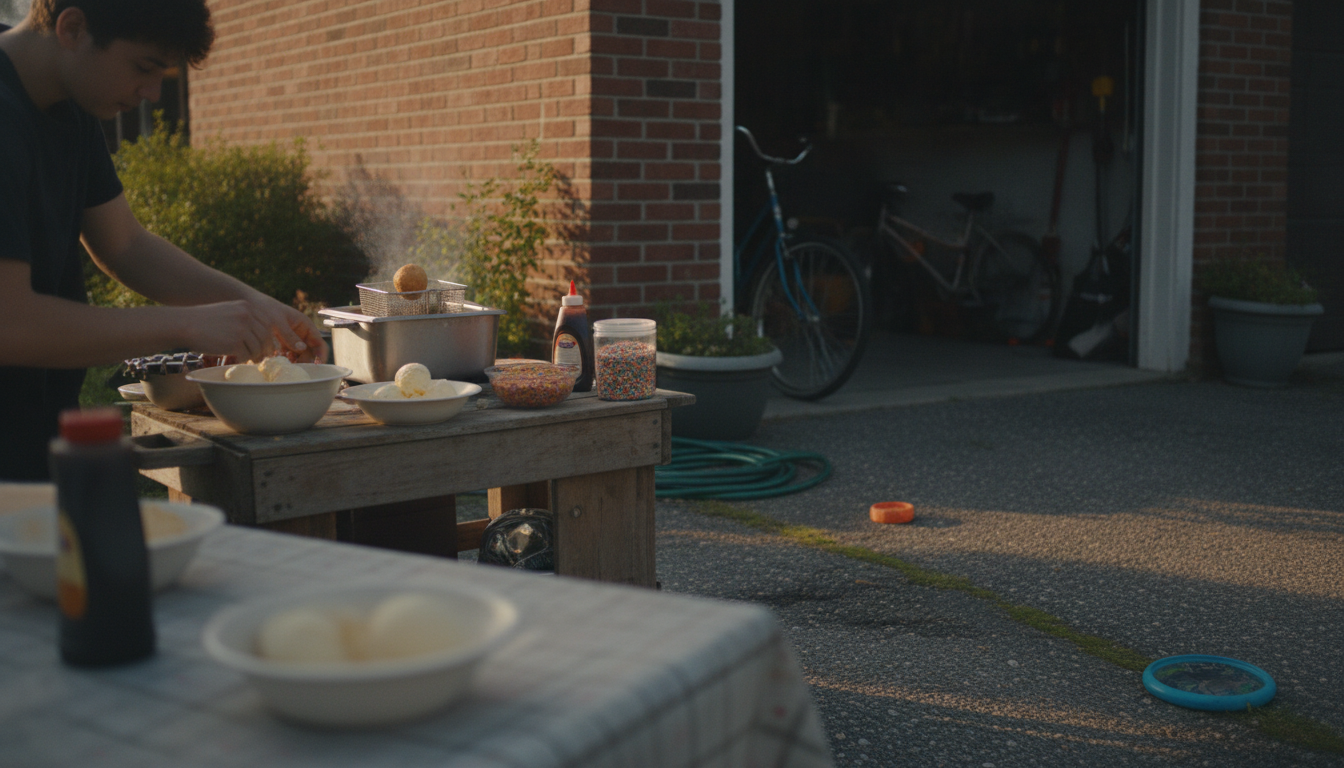
Fried ice cream is strongly associated with Mexican restaurants in the U.S., but it isn’t exclusively “a Mexican thing” in the sense of having a single, universally agreed Mexican origin. Many diners first encounter it as a classic finale at Mexican and Tex-Mex spots—usually a firm scoop of ice cream coated in crushed cornflakes or cookie crumbs, quickly fried for a crisp shell, then topped with cinnamon, honey, and whipped cream.
The dish’s backstory is a bit tangled because the concept of pairing cold ice cream with a hot, crunchy exterior shows up in more than one culinary tradition. Variations have been linked to Asian tempura-style desserts, American state fair creativity, and restaurant adaptations designed to deliver dramatic contrast in temperature and texture. What’s clear is that Mexican and Tex-Mex restaurants helped popularize the version many Americans recognize today, turning it into a menu staple even if the idea itself has multiple influences.
Why it’s so common at Mexican restaurants
Mexican and Tex-Mex menus often feature cinnamon-forward sweets (think churros), so fried ice cream fits right in. The most familiar preparation leans on pantry-friendly coatings like cornflakes, plus warm toppings that echo flavors found across Mexican-inspired dessert menus. It’s also a showy, shareable dessert that feels celebratory—perfect for family-style dining.
Want the same “hot-cold” dessert effect without deep frying?
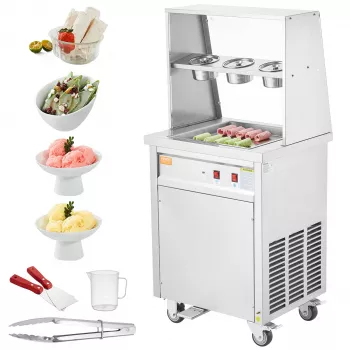
Many shops and home dessert makers now chase that contrast using modern equipment and alternative methods. If you’re exploring ice-cream-based desserts and ways to build a consistent serving setup, see this guide: fried ice cream roll machine setup, operation & buying guide.
FAQ
What is rolled ice cream and how is it different from fried ice cream?
Rolled ice cream is made by spreading a liquid ice cream base on a freezing pan, mixing in ingredients, and scraping it into rolls. Fried ice cream typically starts as a frozen scoop that’s coated and quickly fried for a crunchy shell.













Leave a comment