

Best Sneakers for Achilles Tendonitis: Support & Fit Tips
What sneakers are best for Achilles tendonitis?
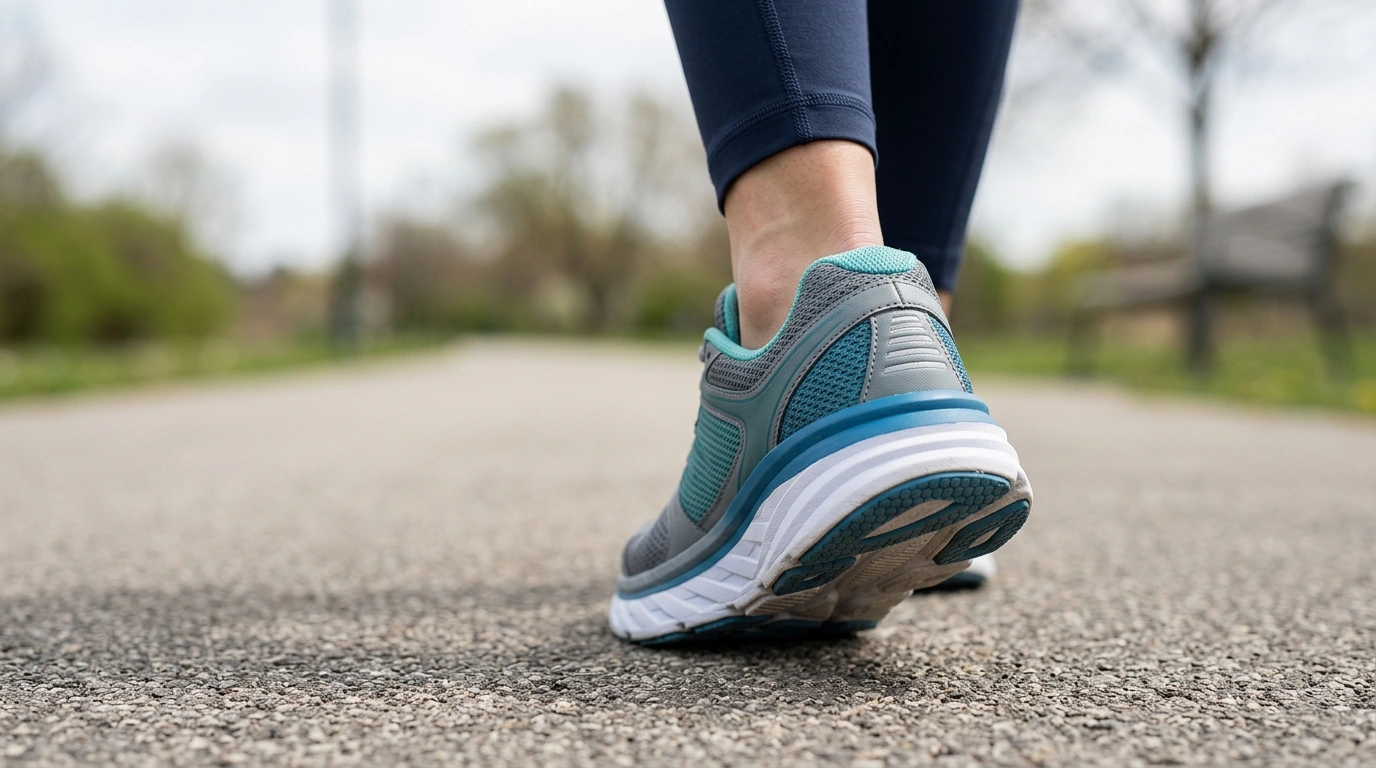
The best sneakers for Achilles tendonitis are typically ones that reduce strain on the tendon by minimizing heel irritation and limiting excessive ankle motion. Look for shoes with a slightly higher heel-to-toe drop, a stable heel counter, and enough cushioning to soften impact without feeling mushy or unstable.
What to look for in a supportive sneaker
Heel-to-toe drop (moderate): A moderate drop can take pressure off the Achilles compared to very low-drop or “flat” shoes.
Structured heel counter: A firm, well-shaped heel cup helps control unwanted heel movement that can tug on the tendon.
Plush but not sloppy cushioning: Shock absorption helps with walking and running, but overly soft shoes can increase instability and overwork the lower leg.
Roomy, smooth heel collar: Achilles pain is often aggravated by rubbing. A padded collar and non-abrasive lining can reduce irritation.
Rocker-style outsole (optional): Some people find a mild rocker helps reduce ankle loading during toe-off.
Features to avoid if your Achilles is flaring up
Very low-drop minimalist shoes can increase tendon demand, especially if you switch too quickly. Also be cautious with stiff heel seams, aggressive heel tabs, or shoes that dig into the back of the ankle.
Fit tips that matter as much as the model
Try sneakers later in the day (feet swell), and walk on an incline if possible to see whether the heel collar rubs. If the shoe feels good except for a bit of heel pressure, a slightly different lacing method or a thin heel sleeve can help—but persistent rubbing is a sign to move on.
For specific sneaker types and detailed selection guidance, see the full guide here: https://dress-antistress.art/what-sneakers-are-best-for-achilles-tendonitis/.
FAQ
Should I size up for Achilles tendonitis?
Not automatically. Choose the size that locks the heel in place without rubbing, with enough toe room to prevent compensations in gait; sizing up can sometimes increase heel slip and irritation.











Leave a comment