

Gucci Resale Value: What Holds Value and Why
Does Gucci have good resale value?
Yes—Gucci often holds solid resale value compared to most fashion brands, especially for recognizable, classic pieces. That said, resale value isn’t uniform across everything Gucci makes. Condition, style, materials, and whether the item is considered “timeless” versus trend-driven can move resale prices up or down dramatically.
What drives Gucci resale value?
Iconic silhouettes and recognizable hardware
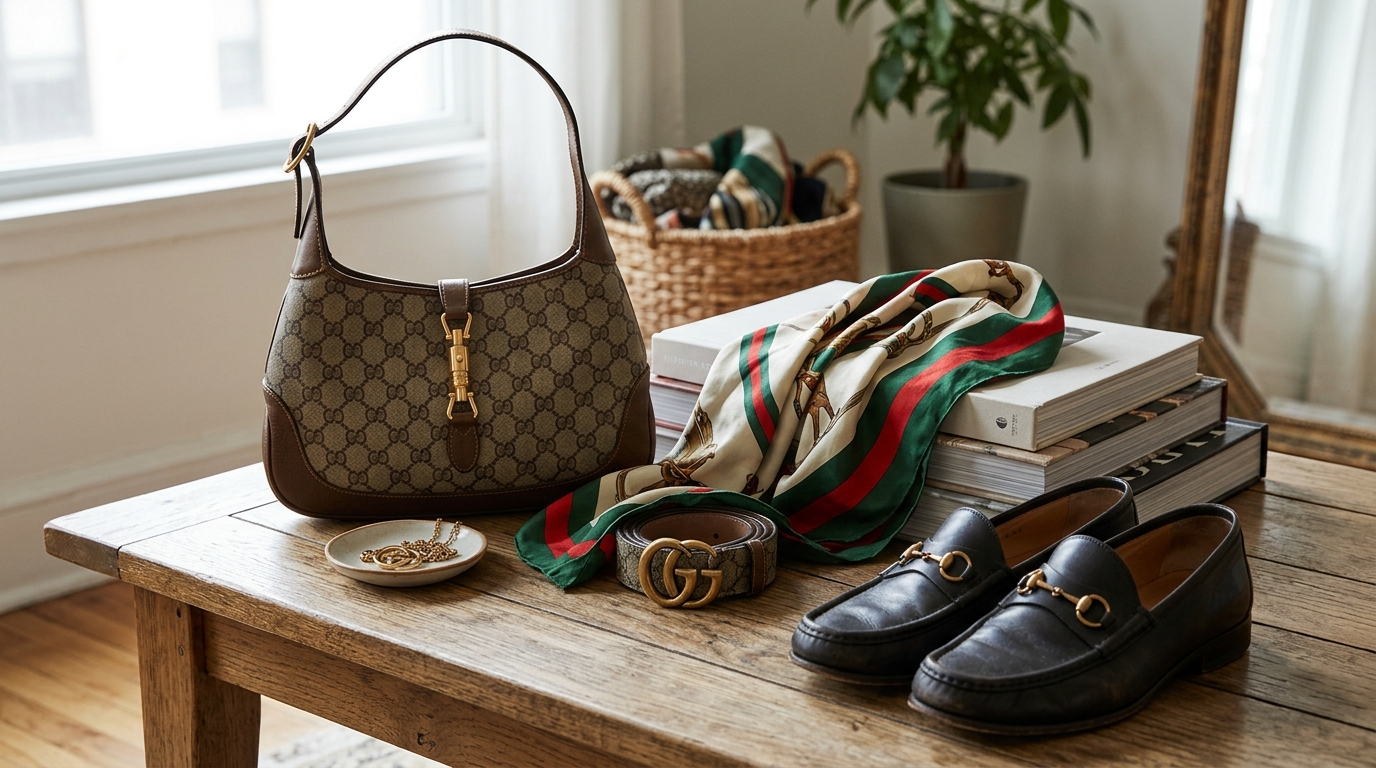
Items with signature details—such as classic loafers, horsebit-inspired elements, or clean, heritage-looking shapes—tend to attract steady secondhand demand. Buyers shopping resale often want something instantly identifiable but still versatile.
Condition and completeness
Resale platforms reward excellent condition. Light wear can still perform well, but heavy scuffing, stretched leather, odors, or repaired soles usually lower what buyers will pay. Keeping the box, dust bag, and proof of purchase can also help listings sell faster and closer to the top of the market.
Materials and construction
Leather generally outperforms delicate fabrics over time because it’s easier to maintain and typically ages better. Well-made shoes and boots can also retain value when they’ve been properly stored and cared for between wears.
How to maximize Gucci resale value
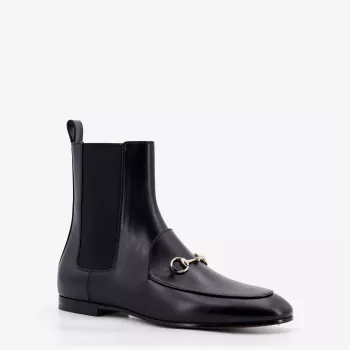
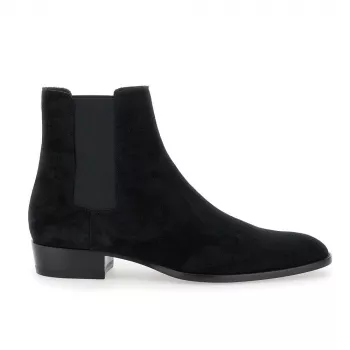
Start with smart buying: classic colors (black, brown, neutral) and evergreen silhouettes are safer than seasonal statement pieces. Then preserve the item: rotate wears, store with shape support, and address scuffs quickly. If you’re considering Gucci footwear, this guide on fit, styling, and upkeep can help you protect your investment over the long run: Gucci Jordaan Gancini ankle boots fit, style & care guide.
What to expect when you sell
Even when Gucci resells well, the final number depends on timing and demand. Popular sizes and widely loved models are easier to move. Limited runs can do well, but only if the style has an active audience—rarity alone doesn’t guarantee a premium.
FAQ
What affects the resale value of luxury shoes the most?
Condition, model popularity, and classic styling matter most. Complete packaging and recent proof of authenticity can also improve buyer confidence and final price.













Leave a comment