


Spot Vintage Guess Jeans: Tags, Hardware, Wash Clues
How to tell vintage Guess jeans?
Vintage Guess jeans usually show their age in the details: labels, hardware, stitching, and how the denim feels. Because Guess has produced many lines over decades, the most reliable approach is to check multiple indicators rather than relying on a single tag.
Check the label and logo style
Start with the inside waistband and back patch. Older pairs often have a more classic “GUESS?” branding presentation, and the patch may show natural wear, cracking, or darkening consistent with age. Compare the font, spacing, and overall finish—newer patches tend to look cleaner and more uniform.
Inspect the red triangle and pocket details
Many Guess jeans feature the iconic red triangle logo on the back pocket area. Look for signs of older construction such as thicker embroidery, slightly uneven stitching, or faded red color. Pocket shapes and decorative stitching patterns can also hint at a specific era.
Look at the hardware: buttons, rivets, and zippers
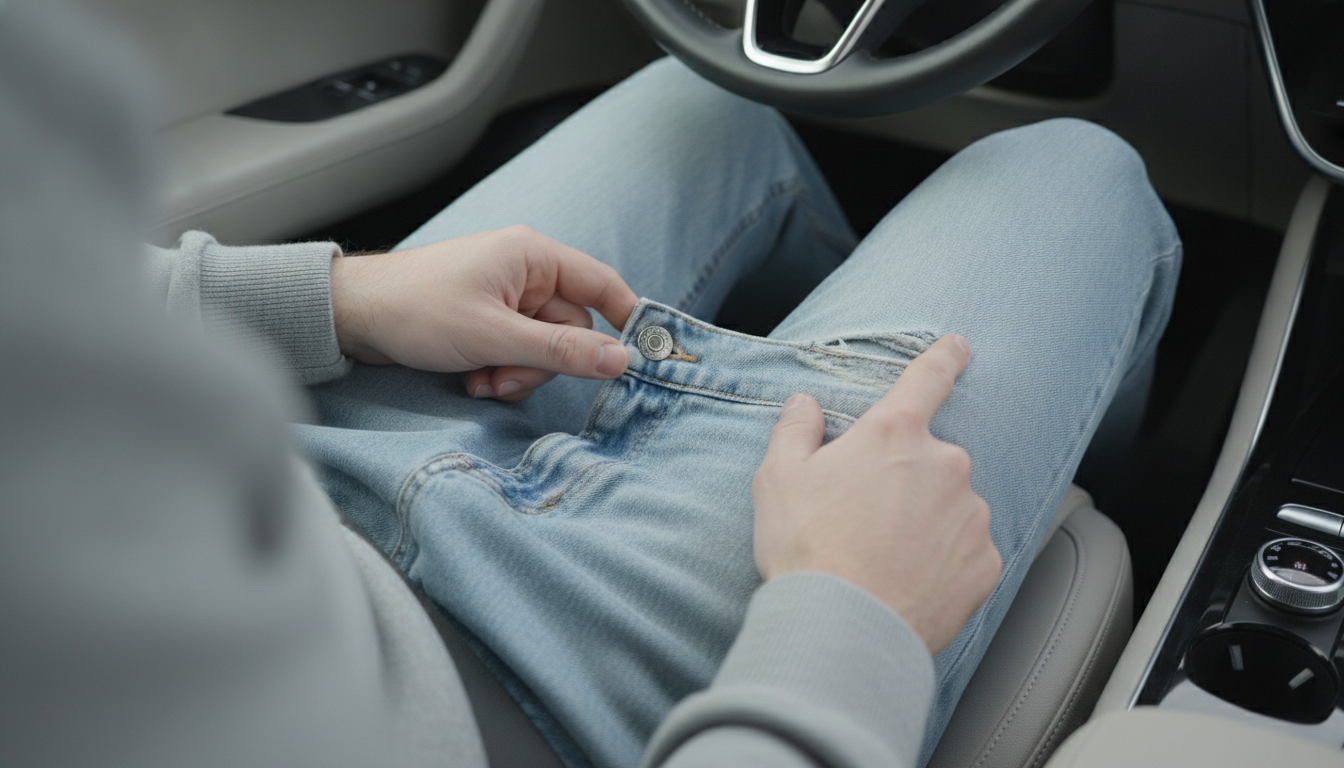
Vintage pairs often have heavier-feeling metal hardware and visible aging (patina, micro-scratches, dulling). Flip the buttons and rivets to see if they’re stamped with branding or a style code. Zipper brand and smoothness can also be a clue—older zippers may feel sturdier but less “slick” than new ones.
Read the care tag and production info
Care tags can reveal country of manufacture, fiber content, and sometimes an RN number or style code. Older tags may be more minimal, while modern tags frequently include more compliance text and clearer printing. If the tag is partially faded but still legible, that wear can support a vintage claim.
Assess denim weight and wash characteristics
Many vintage jeans use sturdier denim with a more rigid hand feel, especially before extensive wear. Authentic older washes may show natural fading at stress points (thighs, knees, pocket edges) rather than perfectly uniform distressing.
For more context on Guess denim fit, construction cues, and what to check when shopping, see the full guide here: https://dress-antistress.art/guide-guess-mens-blue-slim-fit-jeans-sizing-style-care/.
FAQ
What’s the difference between vintage and modern Guess denim washes?
Vintage washes usually fade from real wear and laundering, creating high-contrast creasing and edge wear. Modern washes can look more uniform or intentionally patterned, with distressing placed more predictably.













Leave a comment