



Dog Scooting Explained: Why Dogs Walk on Their Bum
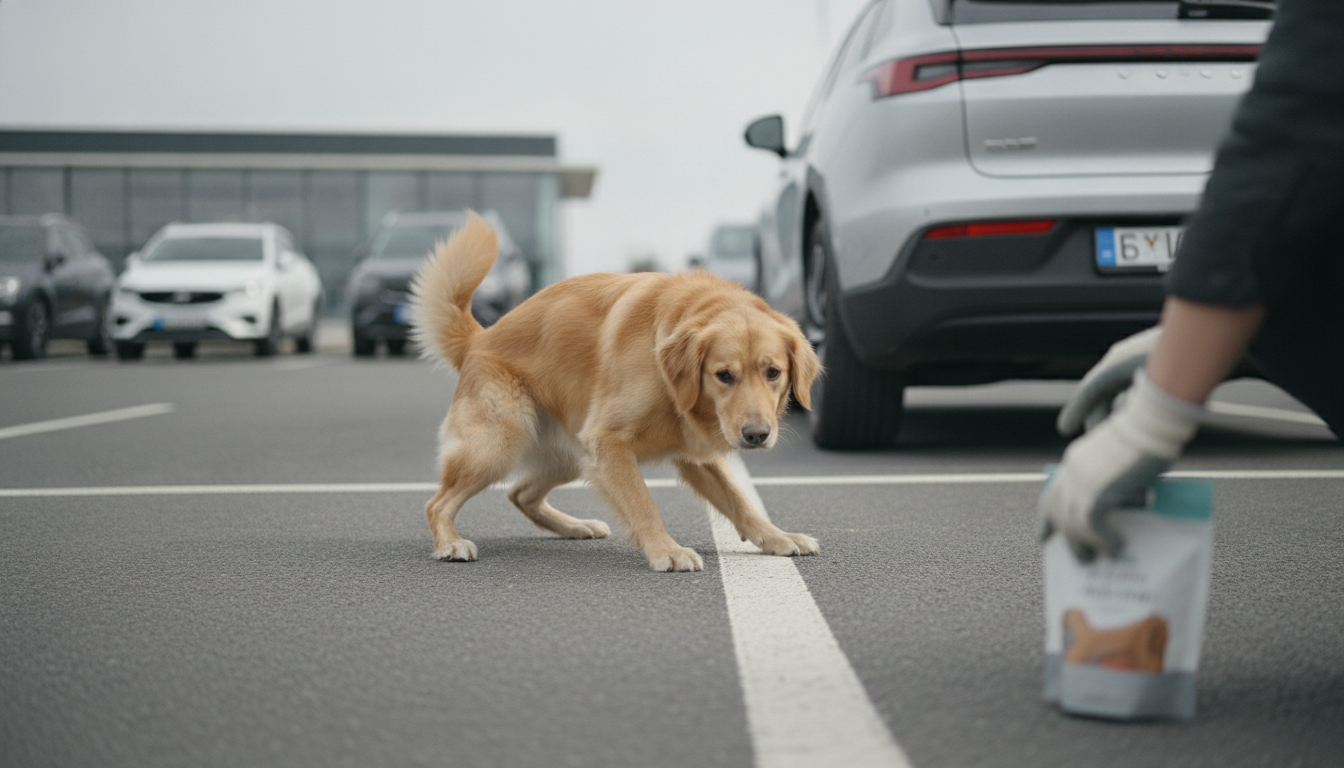
Why is my dog walking on its bum?
When a dog scoots or “walks on its bum,” it’s usually trying to relieve irritation around the rear end. The most common causes are full or inflamed anal glands, itchiness from allergies, leftover stool stuck in the fur, intestinal parasites (like tapeworms), or irritation from diarrhea. Less commonly, a small wound, a skin infection, or a foreign object can make sitting and scooting feel like the best way to scratch an itch.
What you can do right now
Start with a quick, gentle check. If your dog has long hair, look for stuck debris or mats around the anus and clean with a pet-safe wipe or warm water. Watch for red flags like a strong fishy odor, swelling, bleeding, pus, persistent licking, or yelping—these can point to anal gland trouble or infection. Also note stool quality; frequent soft stool can prevent the glands from emptying naturally.
When to call the vet (and what they may do)
If scooting happens more than once or twice in a day, keeps returning, or comes with discomfort, schedule a vet visit. Your vet may express the anal glands, check for an abscess, run a fecal test for parasites, and examine the skin for allergies or infection. Avoid attempting anal gland expression at home unless a professional has taught you how—done incorrectly, it can cause injury or worsen inflammation.
How to prevent repeat scooting
Many dogs improve with firmer, well-formed stools and regular grooming around the rear. If your dog is prone to diarrhea or anal gland issues, your vet may recommend a diet adjustment or added fiber. For dogs that scoot during walks, carrying essentials helps you handle messy situations quickly; see this guide for a practical setup: https://dress-antistress.art/guide-pooch-pouch-dog-walking-bum-bag-treats-poop-bags/.
FAQ
What does it mean when a dog scoots?
Scooting usually means your dog’s rear end feels itchy or irritated, often from anal glands, parasites, or leftover stool. If it’s frequent or painful, a vet exam is the safest next step.
















Leave a comment