



Antique Clock Value: How to Find What Yours Is Worth
How do I find out how much my antique clock is worth?
To find out what your antique clock is worth, start by identifying exactly what you have, then compare it to real-world sales—not just asking prices. Value can swing widely based on maker, age, originality, condition, and whether the clock is decorative, functional, or both.
1) Identify the clock and its key details
Look for a maker’s mark, label, stamped numbers, or a signature on the dial, movement (inside the case), back panel, or base. Note the clock type (mantel, bracket, wall, standing/pendulum), the case material, and any distinctive styling. Take clear photos of the front, sides, back, dial, and movement, plus close-ups of markings.
2) Check condition and originality
Collectors typically pay more for clocks with original dials, hands, finishes, and movements. Replacements, refinishing, missing parts, and non-working movements can reduce value, while documented professional servicing can help—especially if it preserves original components.
3) Compare sold prices, not list prices
Use auction results and “sold” filters on reputable marketplaces to find comparable clocks by maker, era, size, and materials. Match details closely; a similar-looking case with a different movement can land in a totally different price bracket.
4) Get an expert opinion when stakes are higher
If the clock seems rare, signed, or potentially valuable, consult a qualified appraiser or a clock specialist. Ask whether the appraisal is for insurance replacement value or fair market value (what it typically sells for), since these numbers often differ.
5) Learn what features influence value for pendulum/standing styles
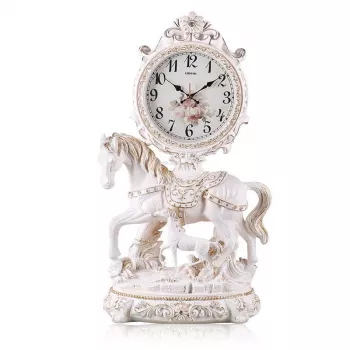
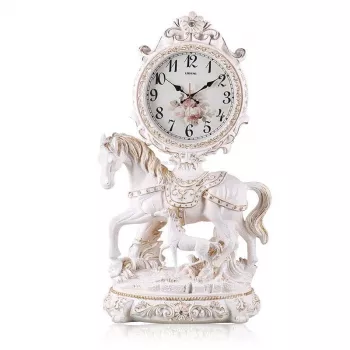
Design elements—like pendulum style, decorative casework, and overall craftsmanship—can matter as much as age. For a focused look at a popular decorative format, see this guide: Antique European Resin Standing Pendulum Clock Decor.
FAQ
Should I clean or repair an antique clock before getting it appraised?
Avoid DIY cleaning or polishing, which can permanently reduce value. If it needs service, consult a clock professional and request a minimal, conservation-minded approach that preserves original parts and finishes.














Leave a comment